



Rooted by the Sea. Connected by Community.
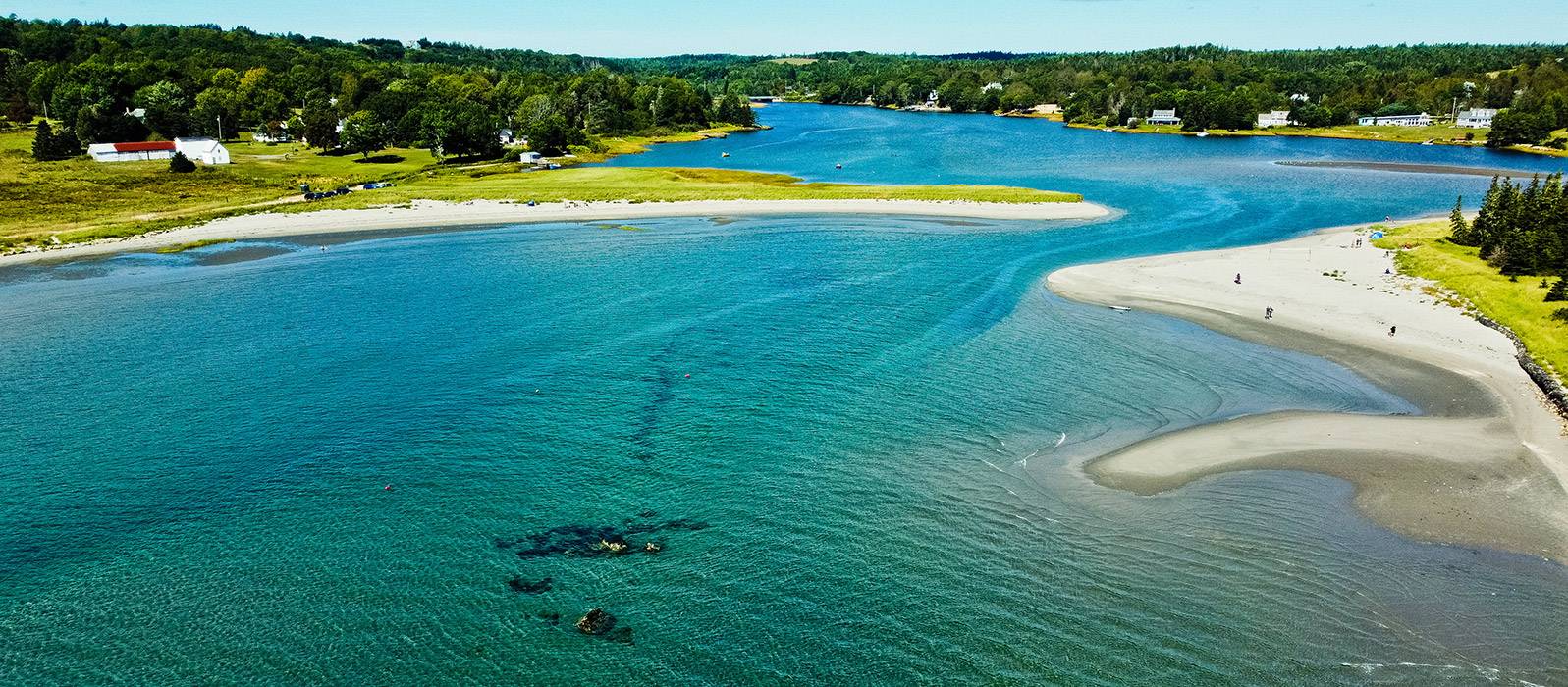
Blue Rocks Maritime River


Active Planning Cases
To view the active planning cases, please visit Engage MODL.
Development Permits
A Development Permit may be required in addition to a Building Permit before any development takes place on a property. When you apply for a Building Permit, a Development Officer will determine if a Development Permit is needed. To apply for a permit, go to Application for a Building, Development or Demolition Permit.
The Zoning Map will help you determine which regulations apply to your property.
If you are uncertain about a Development Permit being required, please contact the Planning team at (902) 530-2802.
If an individual starts construction without a Development Permit, they violate the Land Use By-law, and Council can take legal action, such as a fine or an order for removal. The Municipality has a pdf Policy on Land Use By-law Violations(85 KB) which outlines the process to be followed in such instances.
Zoning Confirmation Letter & Property Report
If zoning information is required specific to a property and provided in writing, the Municipality requires a form to be completed, along with the fee. Details on the location of the property and the intended use will be required to provide the most accurate information.
pdf Property Report & Zoning Confirmation Application Form(179 KB)
Development Agreements
Sometimes, in a land use by-law, a certain use that would not normally fit the existing land use pattern may be permitted by a Development Agreement. A Development Agreement is a legal contract between a landowner and Municipal Council that controls various aspects of the development, such as hours of operation, amount of parking, and landscaping.
A Development Agreement allows Council to exercise more specific control over the development to ensure that it conforms to the character of the existing community.
Public consultation [Policy 066] is required by law for entering into a Development Agreement. This provides the community with an opportunity to have input into how a development occurs within their community.
pdf Development Agreement Application Form(298 KB)
By-law Amendments
As time goes by, changes happen to market forces, population characteristics, and the types of development. To reflect such changes, the Municipal Planning Strategy and Land Use By-law can also change. If any individual is looking to apply for an amendment, an application to amend a planning Strategy or Land Use By-law is required.